
The Pla(y)cemakers
The participatory project in the Swedish countryside
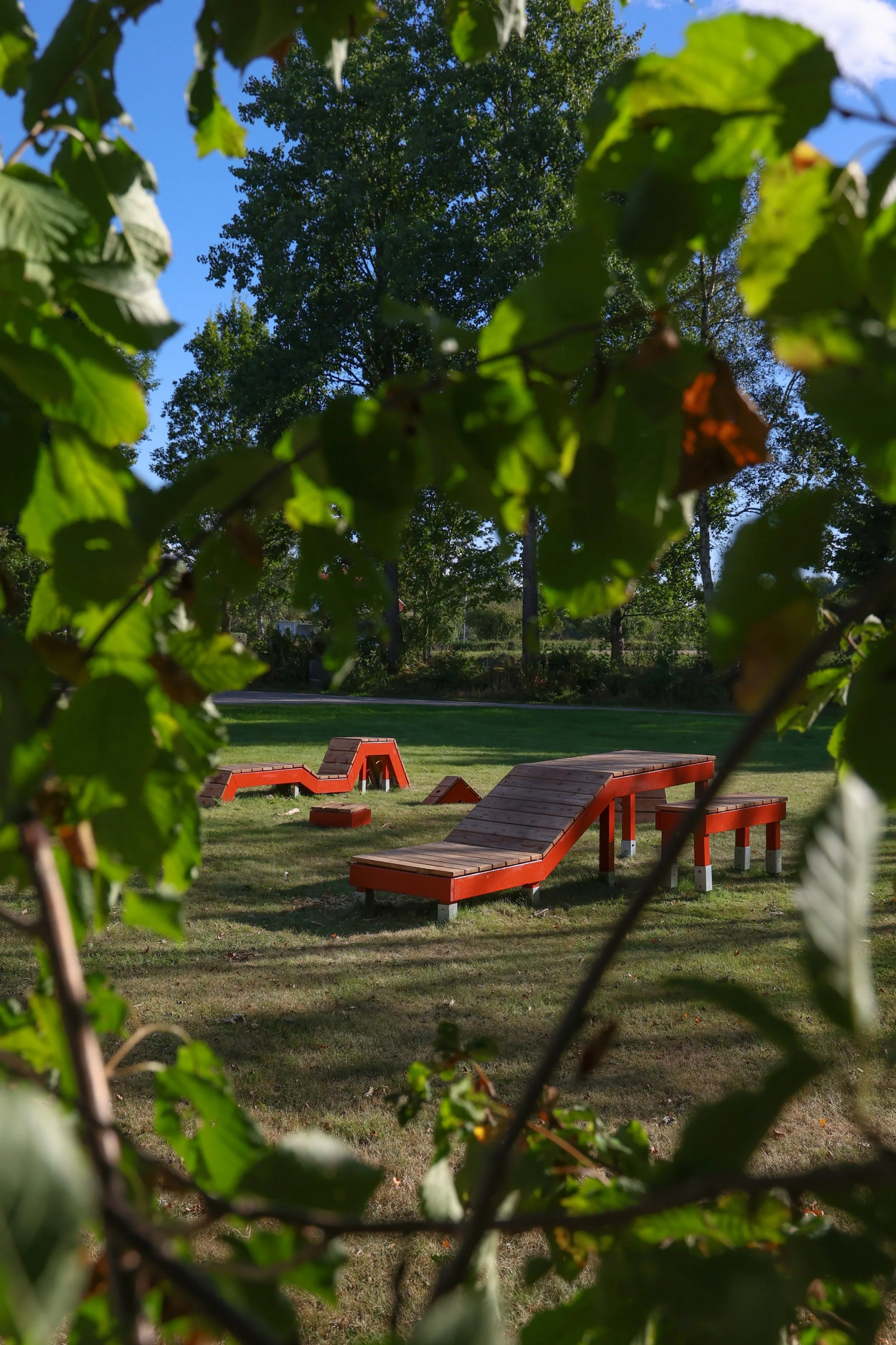
The Pla(y)cemakers project explored how local children’s participation in spatial design could contribute to creating socially valuable meeting points and influence feelings of ownership and pride over them. It was site-specific, focusing on the small countryside village of Asklanda, through a community-based approach. The project focuses on the lack of facilities and other places for gathering and socialising in the Swedish countryside.
I based my project on placemaking, a collaborative approach to reimagining and reinventing public spaces. Through initial research, I recognised a need for a clearer and more concrete definition of rural placemaking. Additionally, during the project, I have been developing a playcemaking method, which is a reimagined way of achieving place transformation through play. It acknowledges that play opportunities within spaces emerge through play. Based on the notion of children’s right to decide about their environment, I held participatory workshops with local children throughout the project.
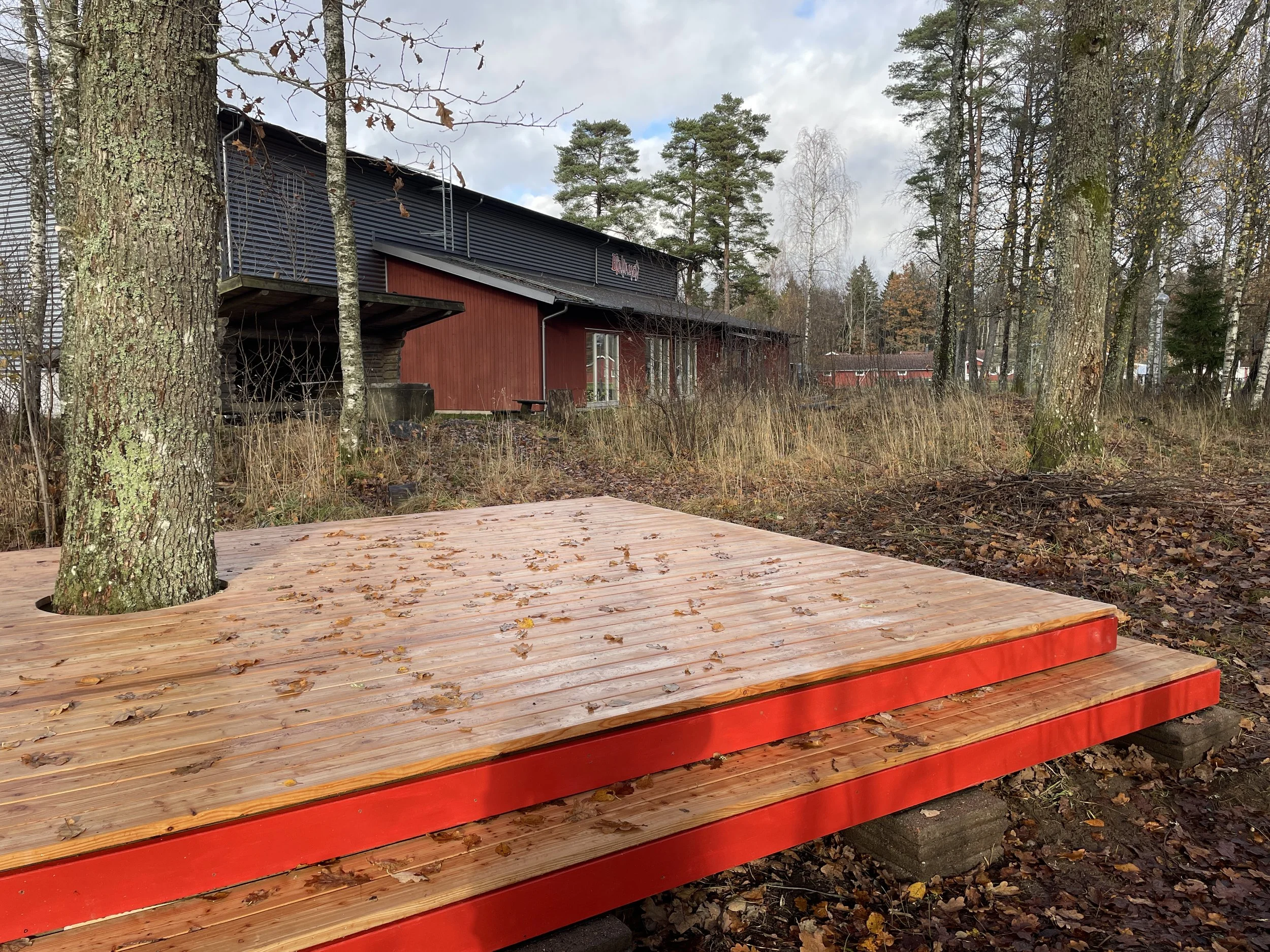
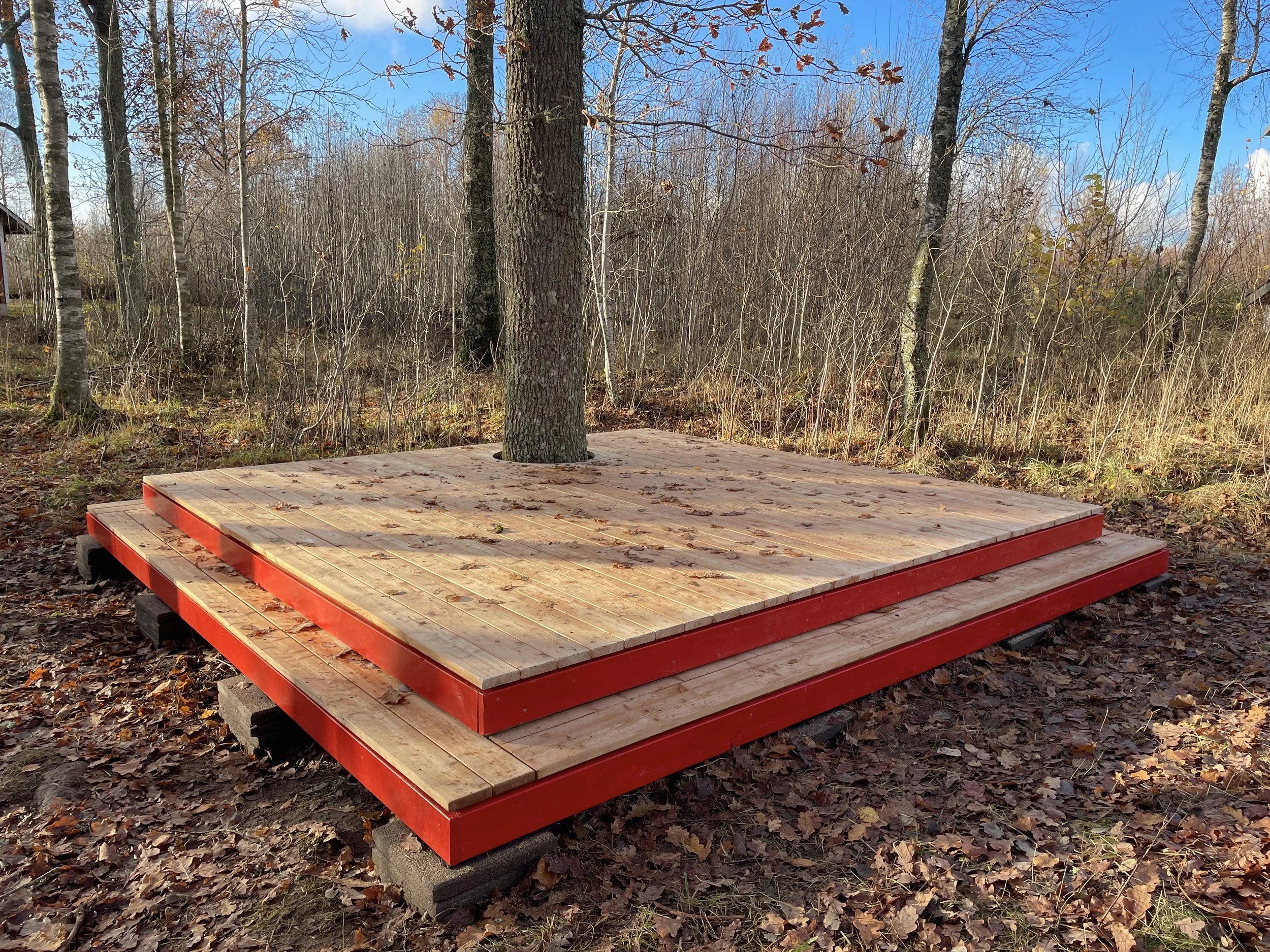
The design outcome of The Pla(y)cemakers is Skojparken, a new community meeting space in Asklanda. It consists of ambiguous elements, open to multiple interpretations, and has a role as public furniture. The affordances of the space stem from the ambiguity of the forms and the ability to rearrange the space, creating new meanings.
Location
Asklanda, Vårgårda kommun
Participants
Children from the school in Asklanda
Local organisations and associations
The community
Year
2025
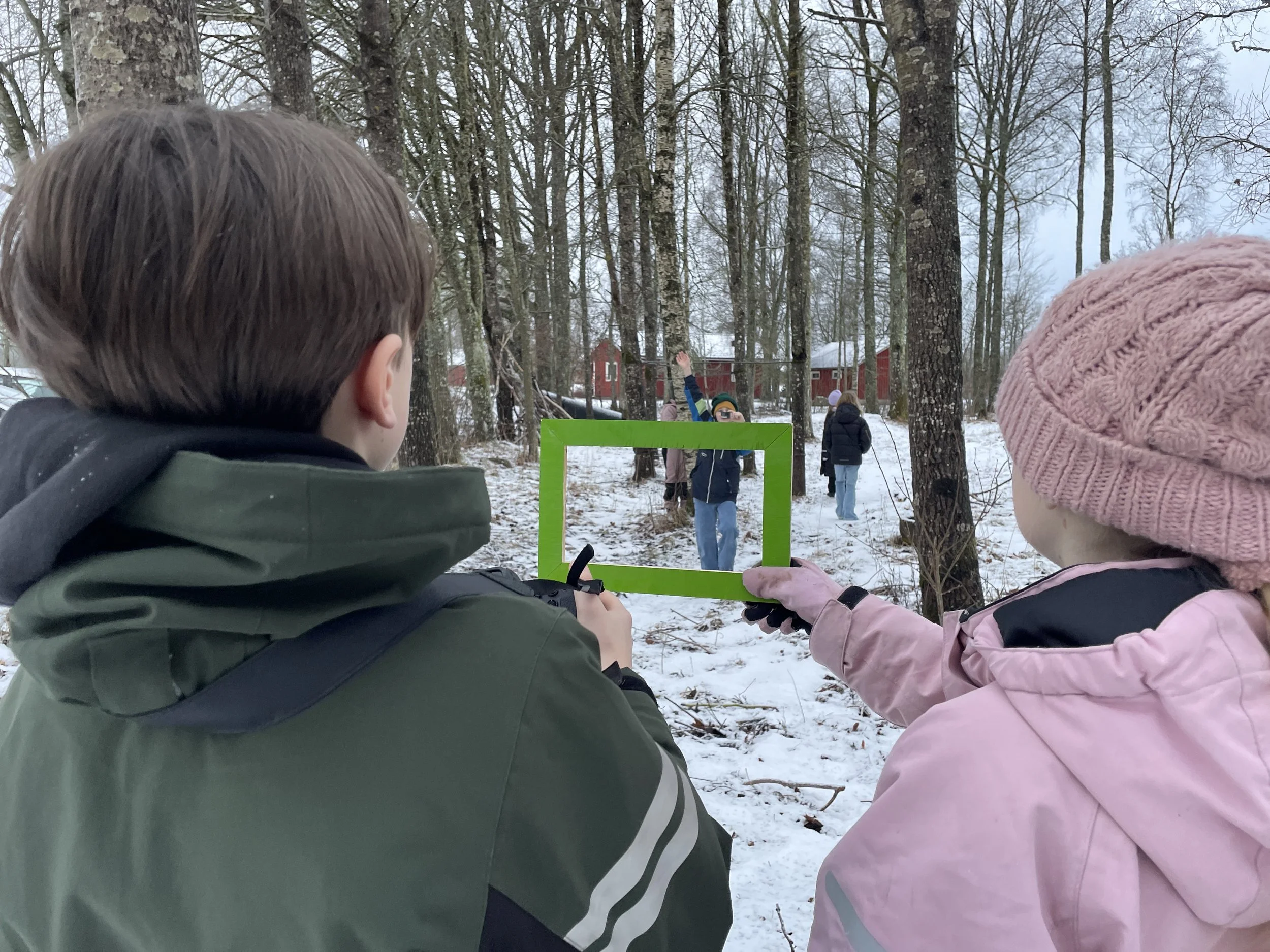
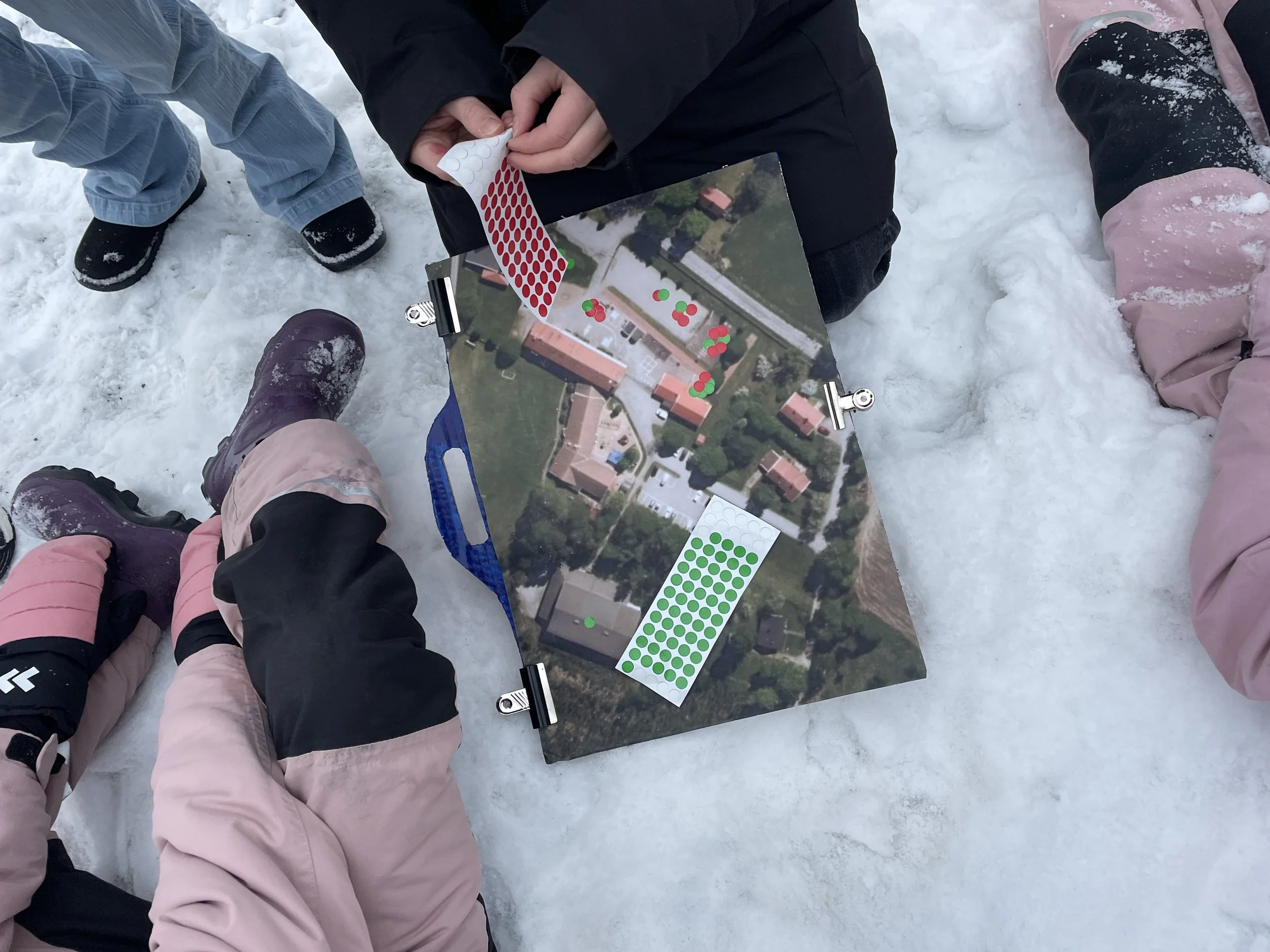
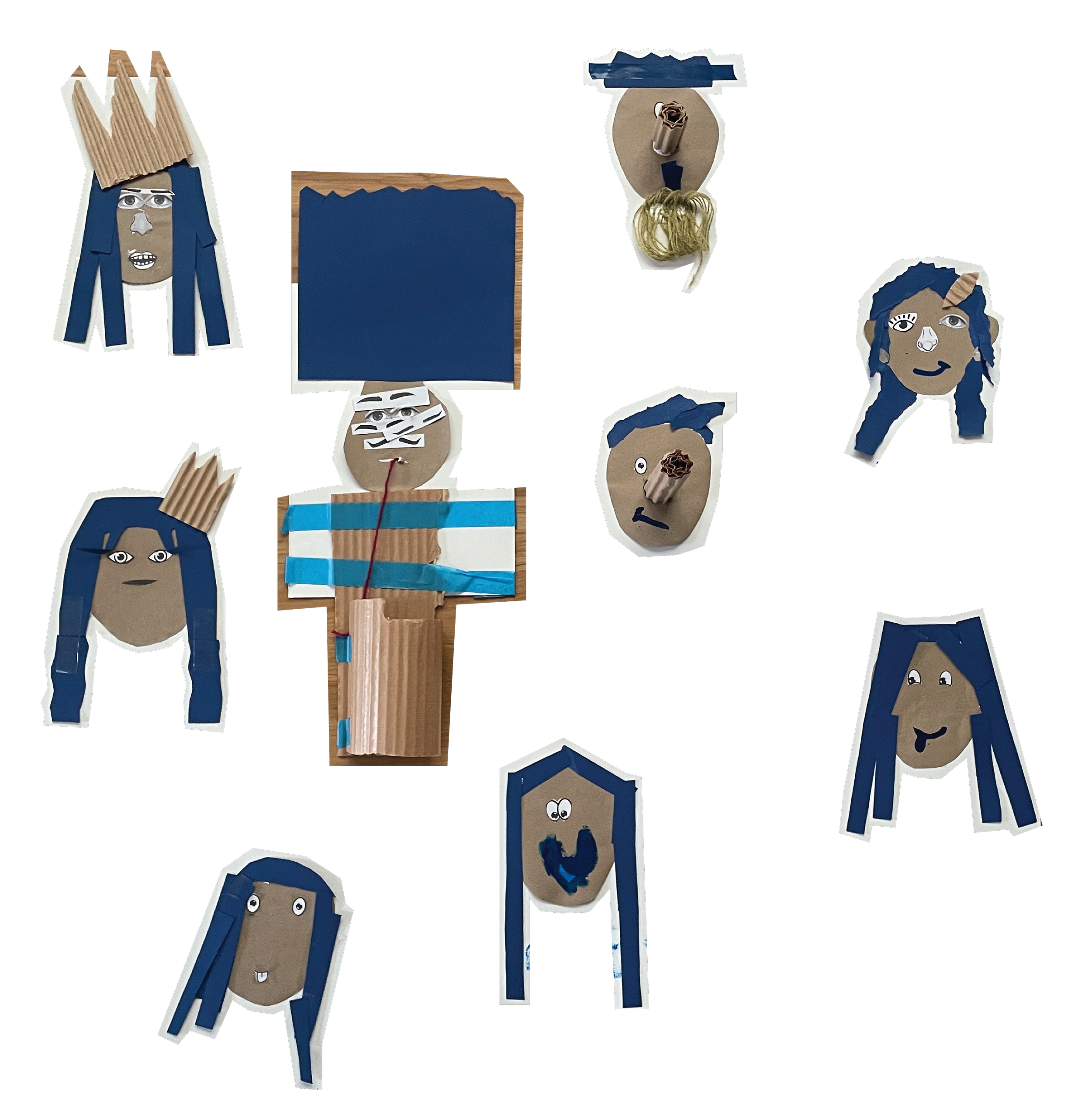
The process - participatory workshops
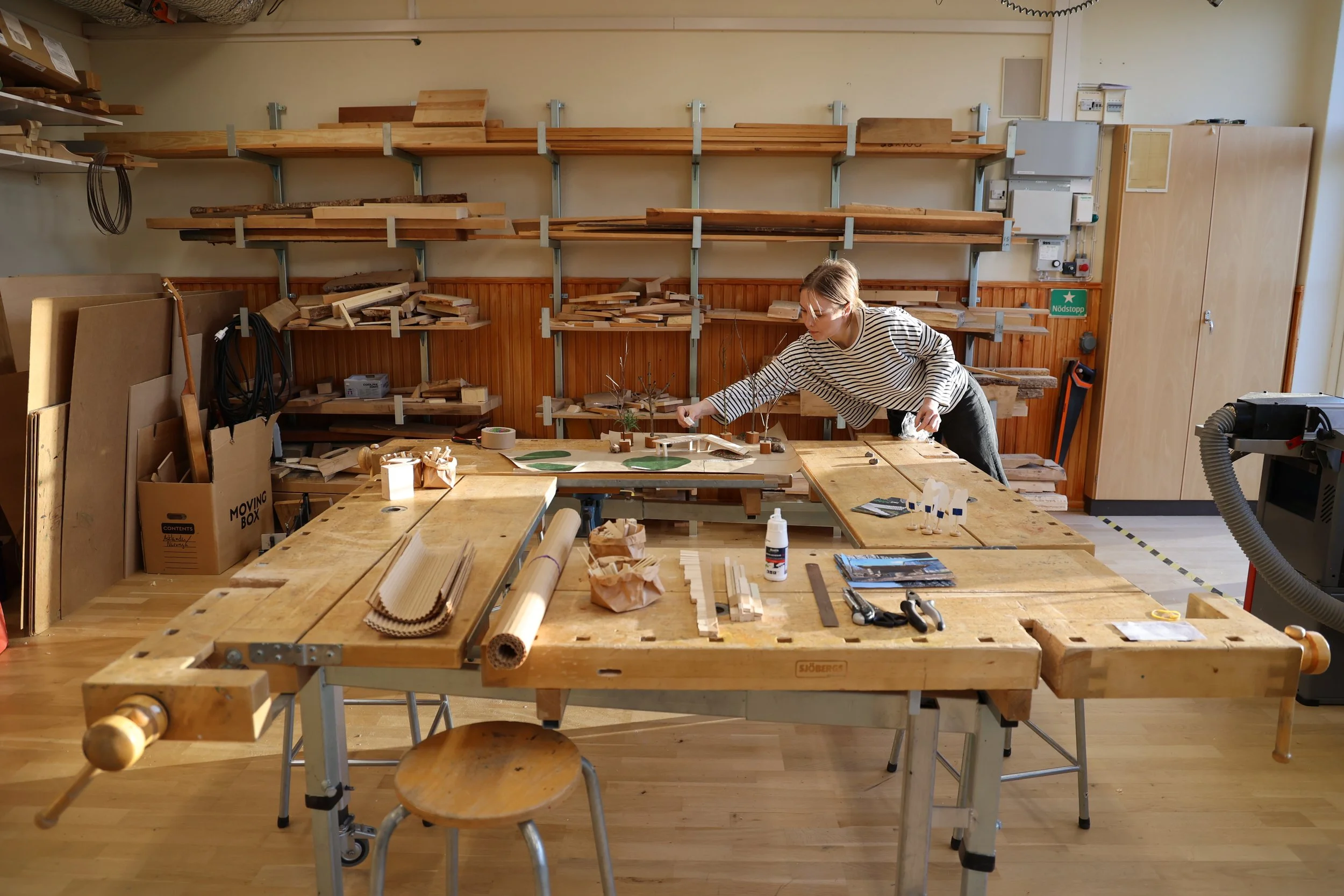
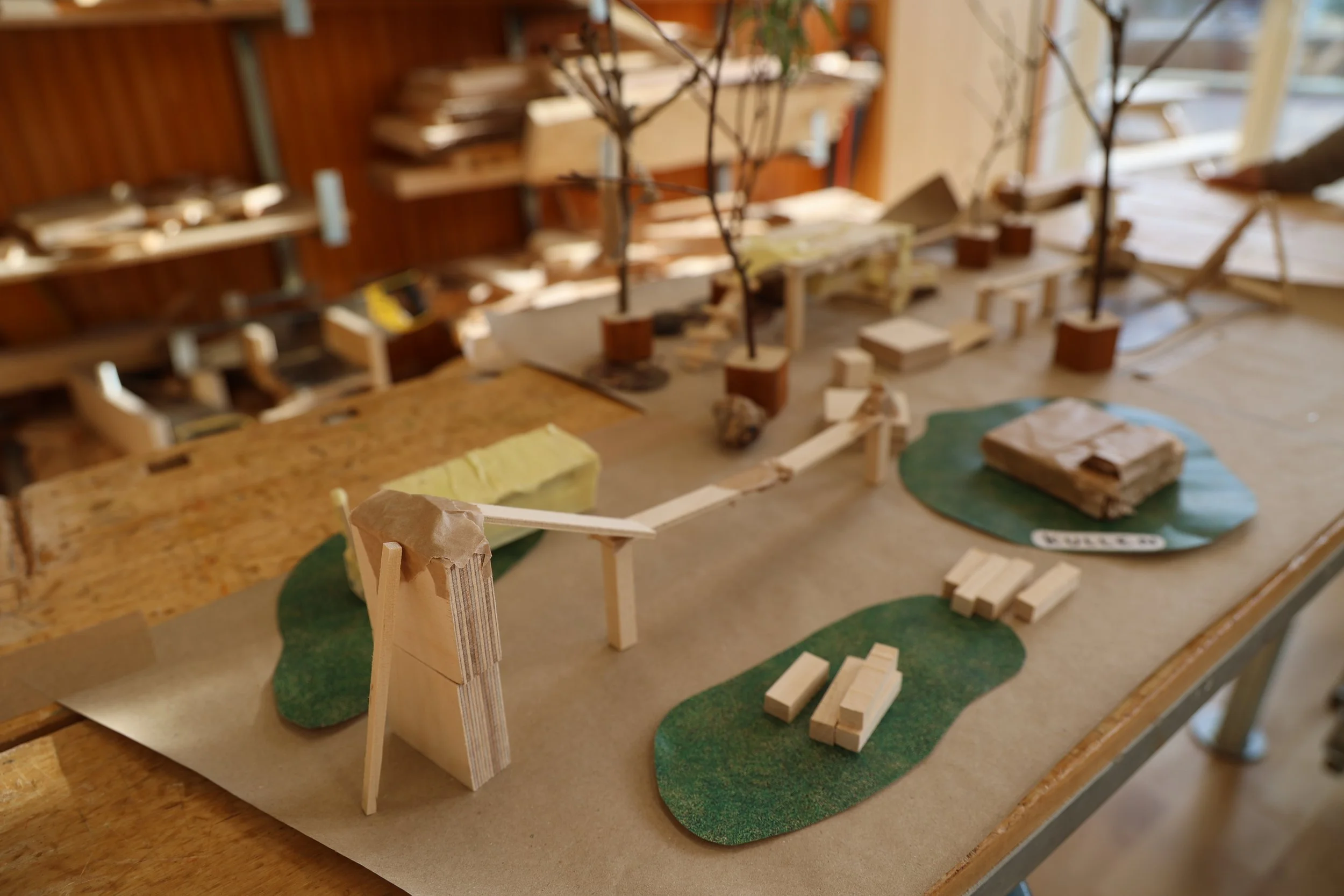
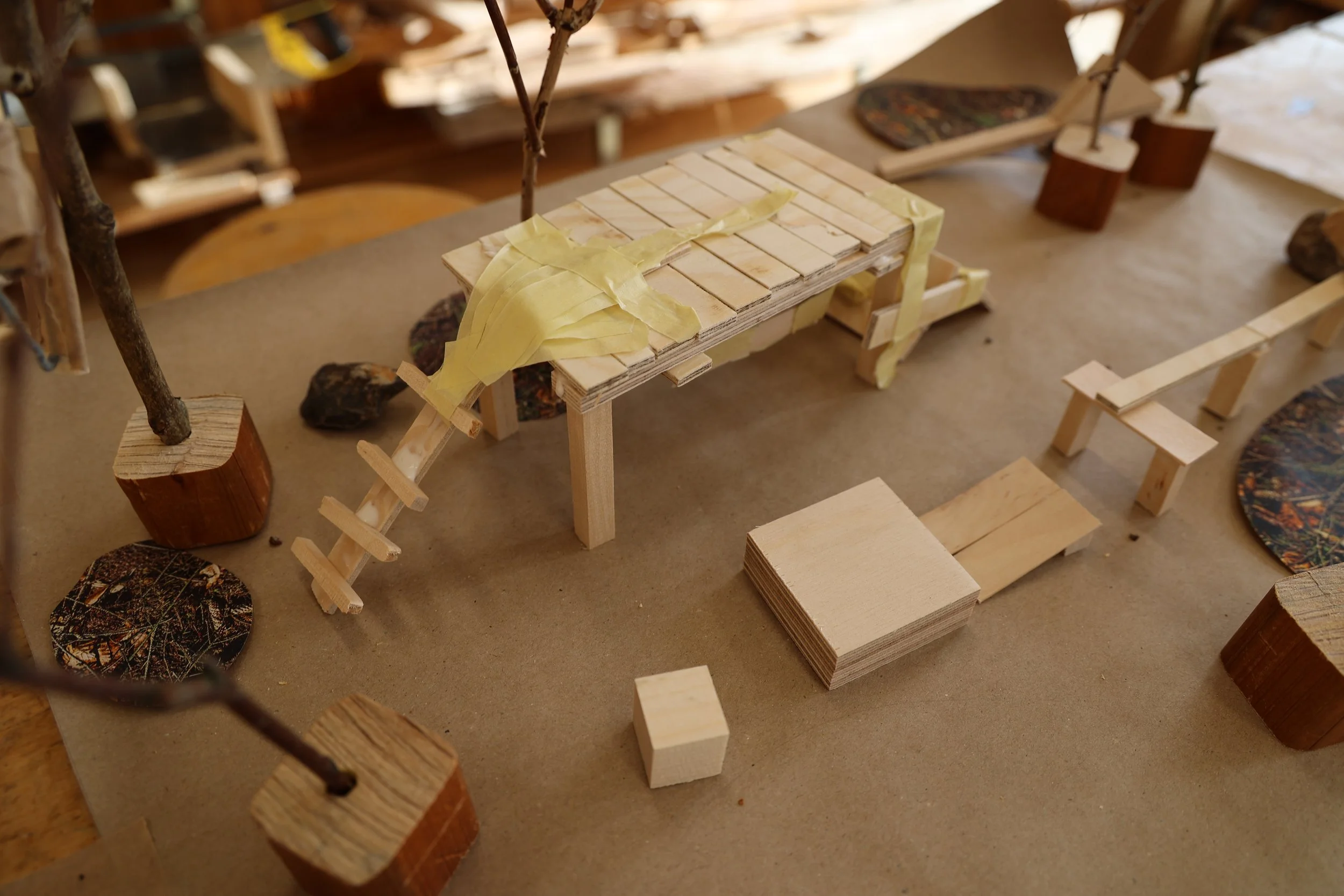
Skojparken!
Skojparken is the design outcome of interactions with the children. It consists of four fixed objects, six smaller loose objects, and a deck.
The children chose the name themselves, Skojparken, meaning a “fun park.”
The outcome
The obstacle course

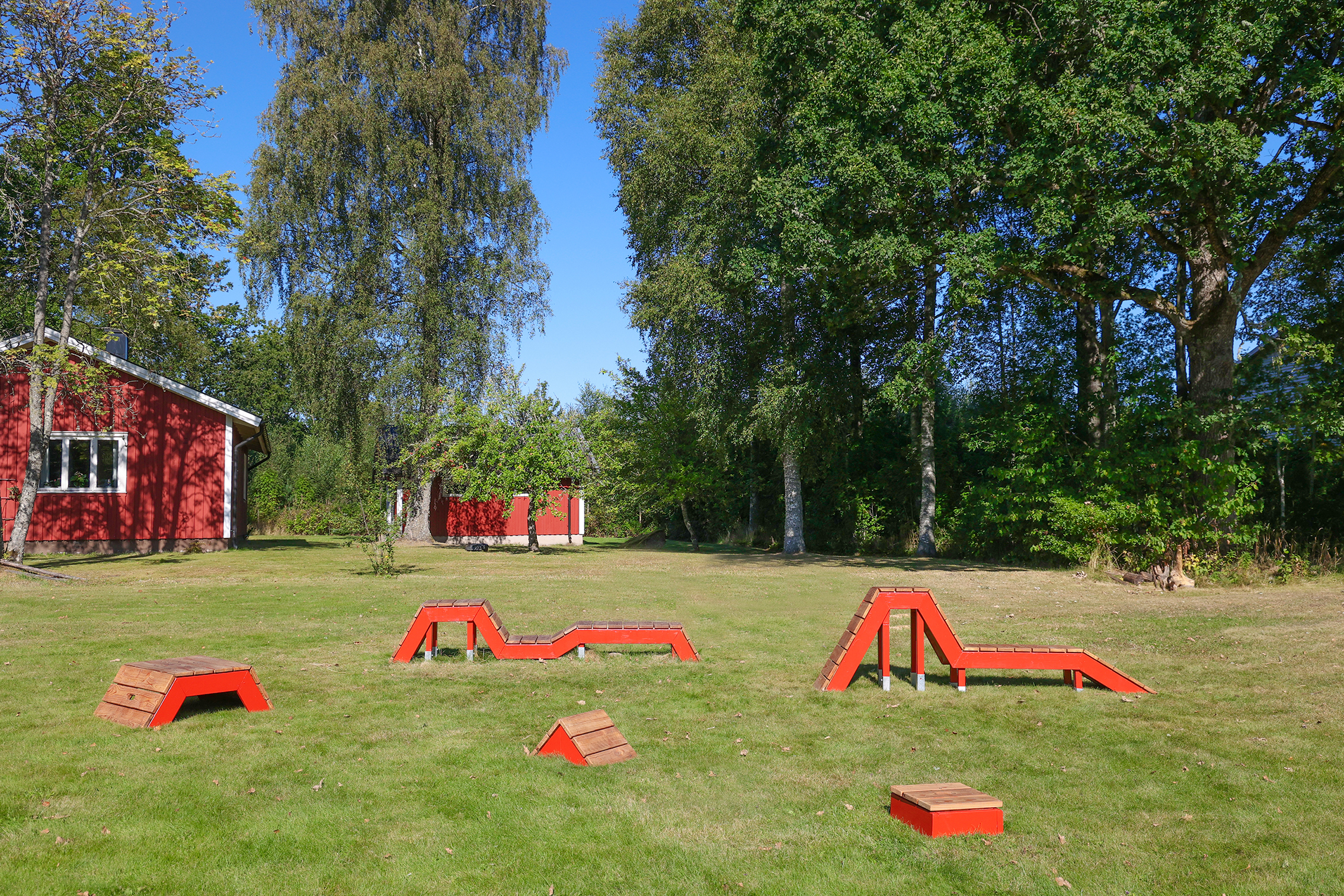
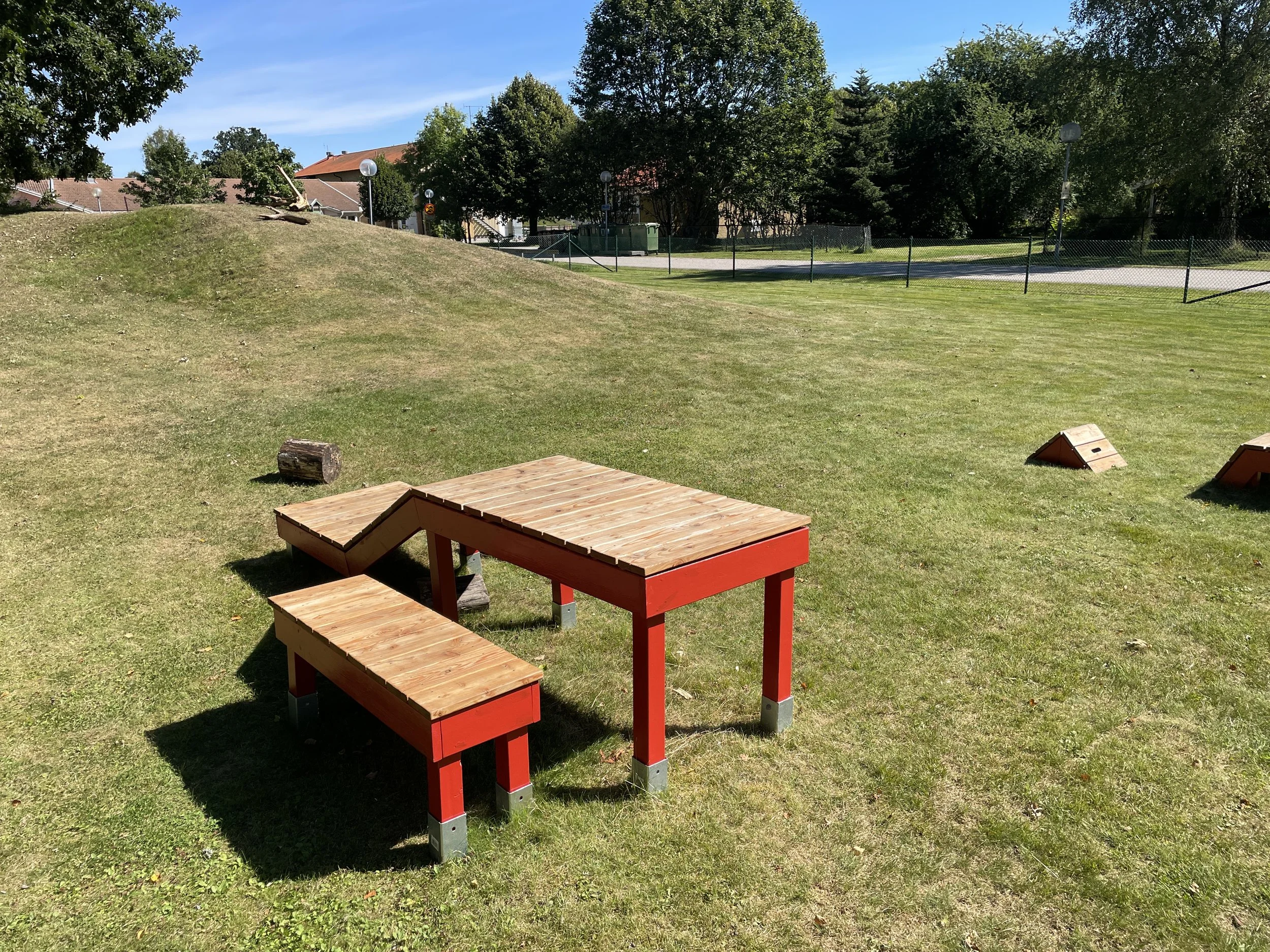
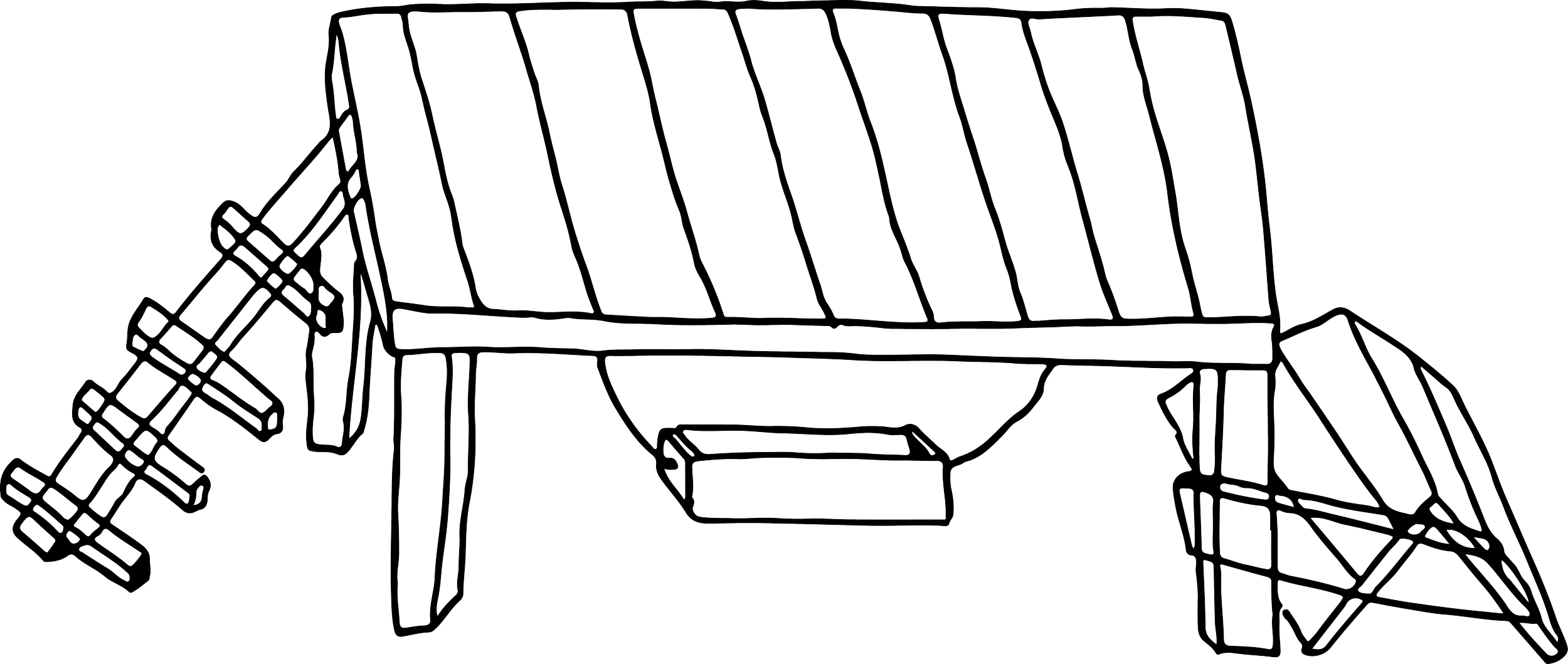
Table and chair
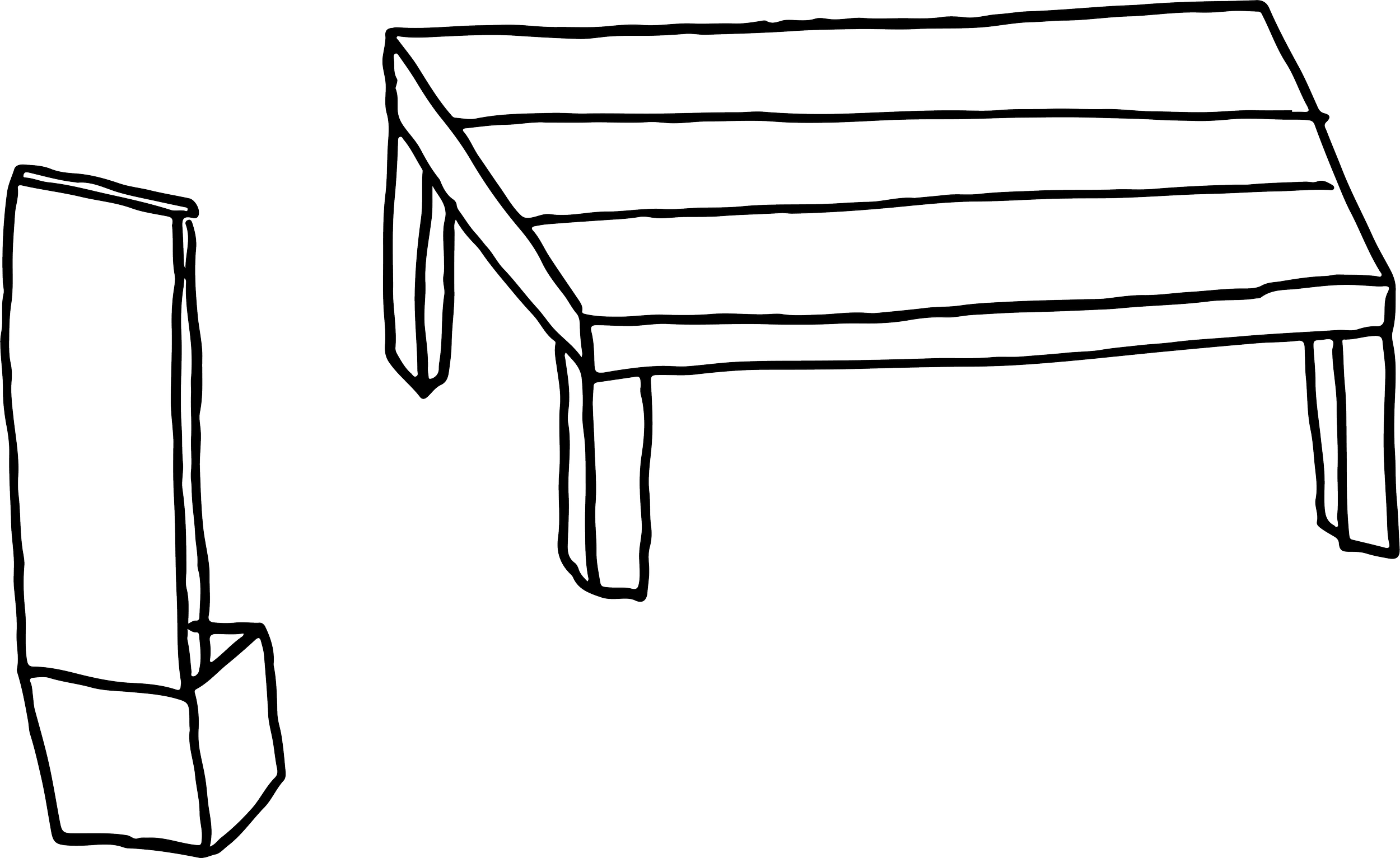
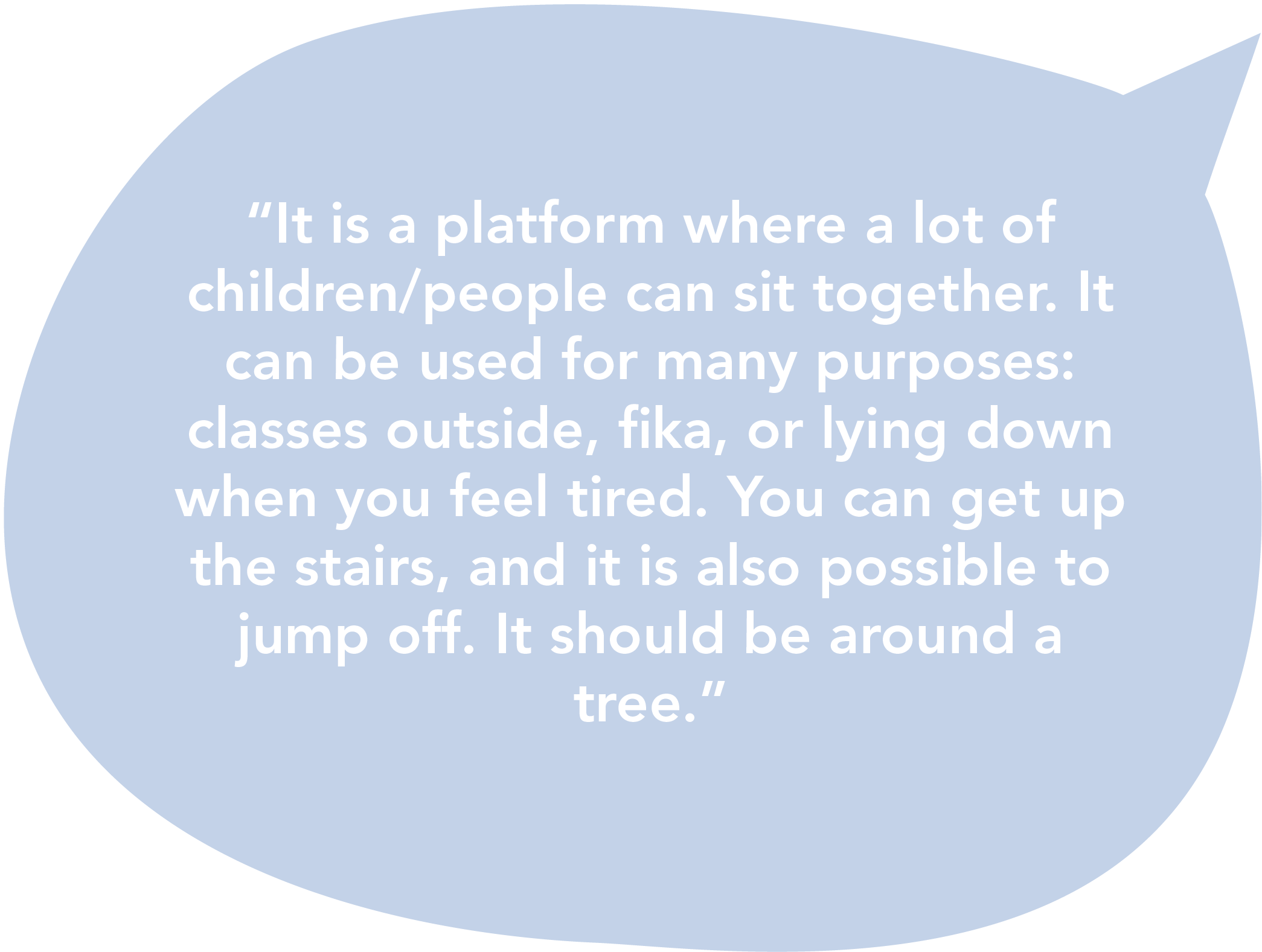
The platform
Adding on
Children from this school built obstacle courses using found objects from the nearby forest even before this project began. I didn’t want to take that away from them, so I decided to design around it.
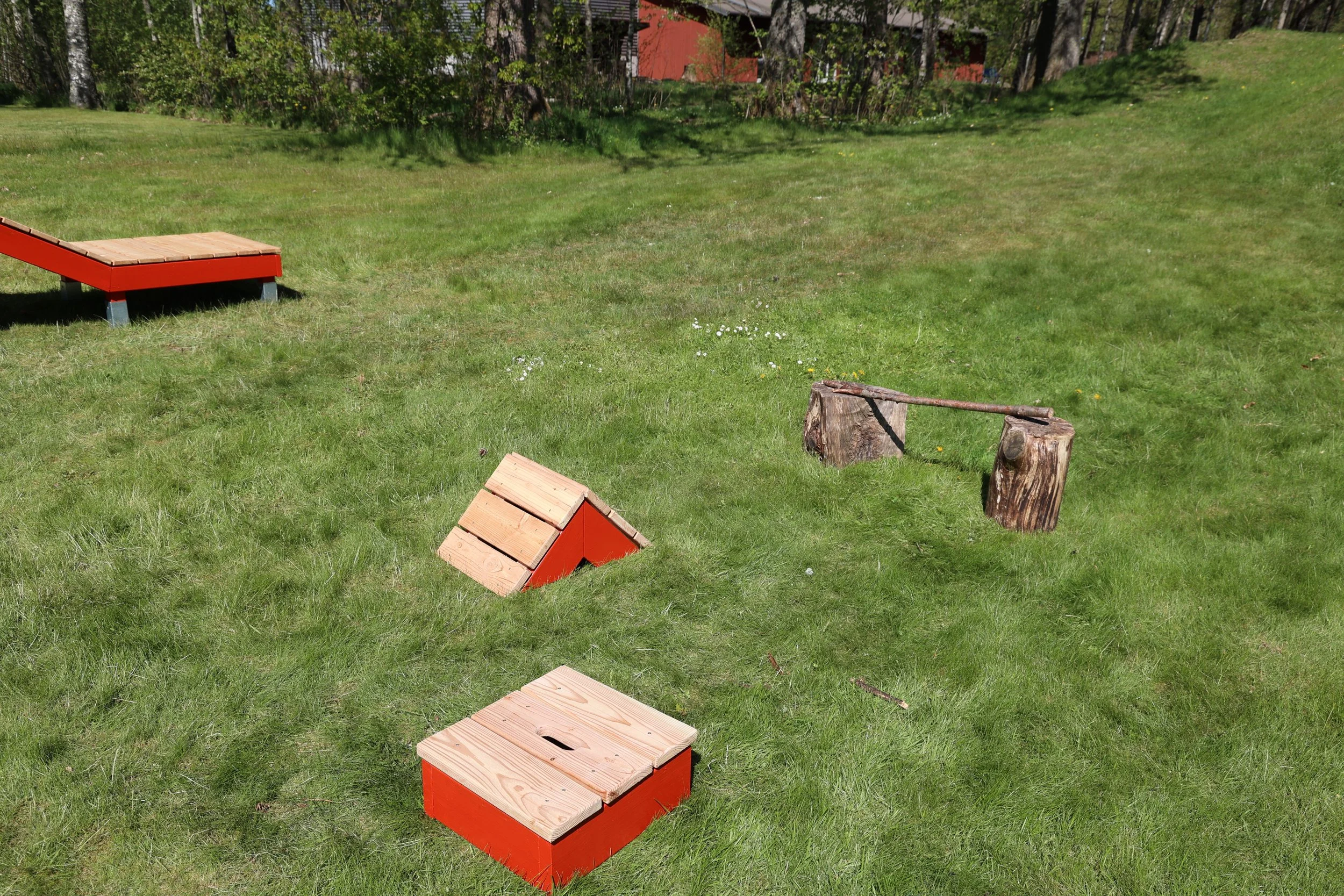
The elements are quite low to encourage them to “add on” with their own components. This allows for more configurations and a continual addition of new elements.
Rearranging the space
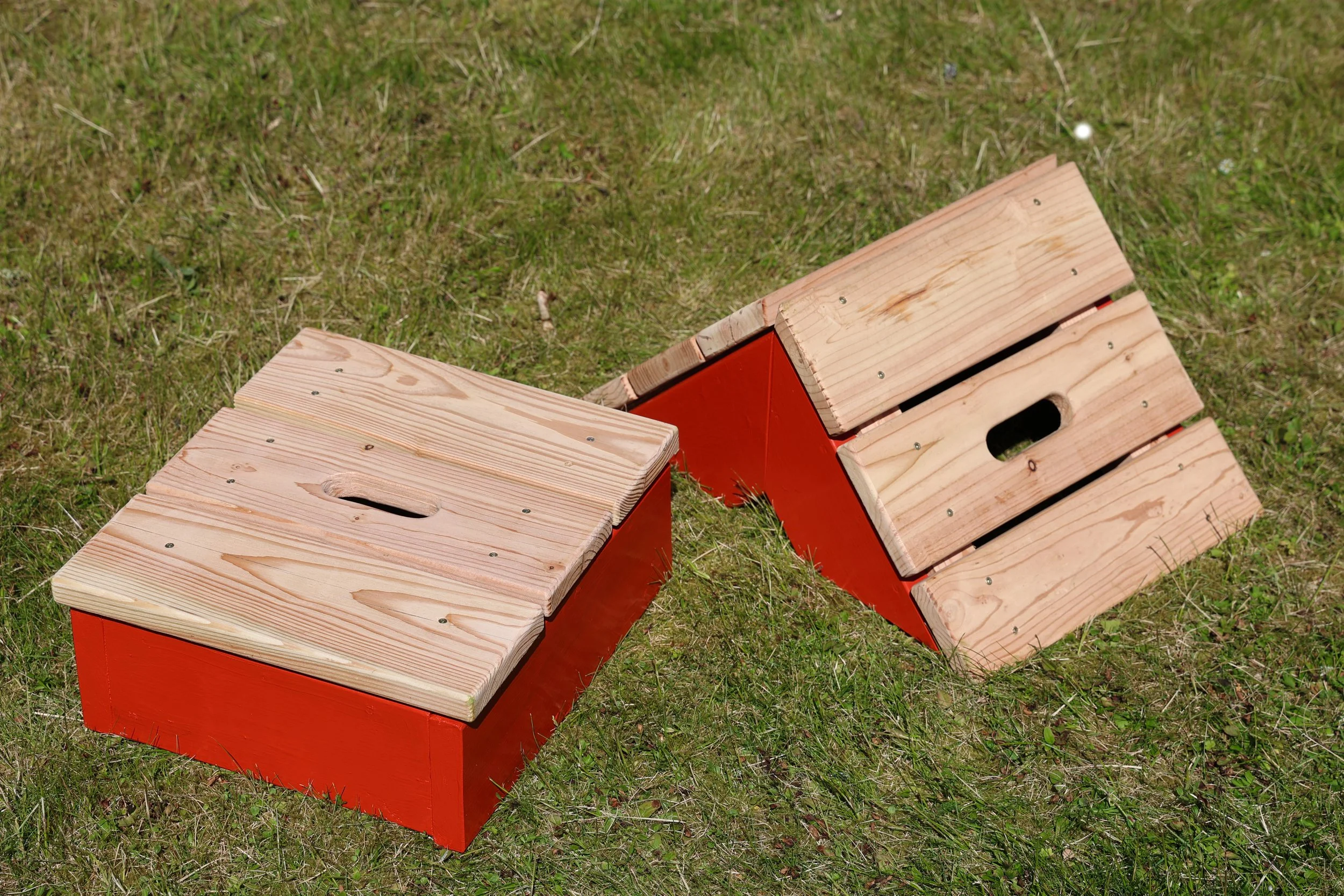
I wanted to create opportunities for others, particularly children, to take ownership of the Skojparken elements by ensuring that some elements are loose and movable.
Users of the space can thus arrange it according to their needs or desires. To encourage rearrangement, I incorporated handles into the loose elements as a “move me” signal. Skojparken can transform into an obstacle course park, a coffee-drinking spot, a classroom, or a resting area.
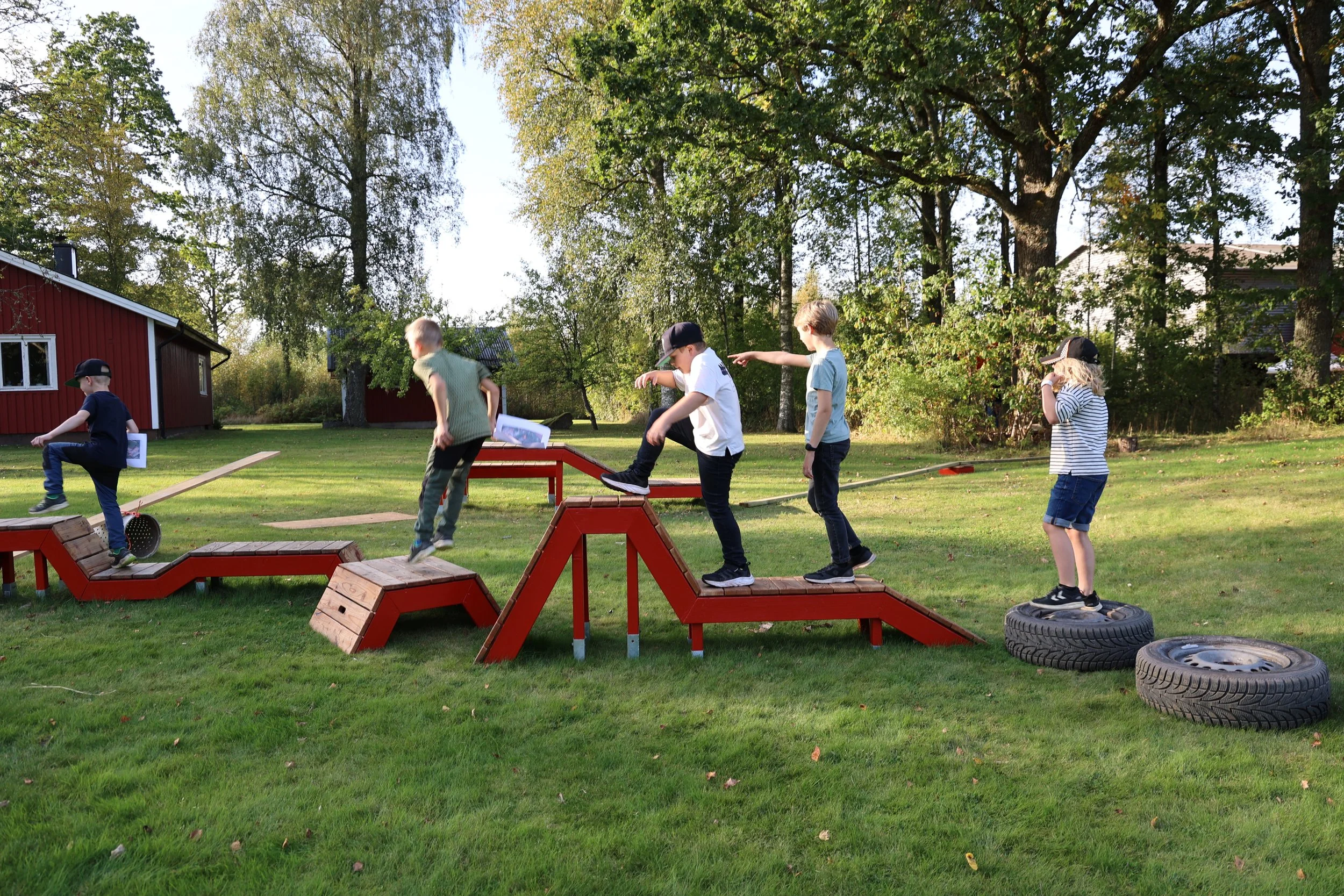
Children have a right to participate actively in shaping their environment
Thank you to the funding partners
Västra Götalandsregionens Delregional nämnd södra, Estrid Ericsson stiftelse, Ornunga-Asklanda byalag, Byahallsalliansen, Ficient AB, Rydlers Bygg.